

-
 While some parts of the state picked up a god deal of rain last weekend, much of the Southeast remained warm and dry.
 -
 The 2026 Atlantic hurricane season is record-breaking in its unprecedented lack of activity.


-
 Fall is here, well, sort of. Meteorological fall begins Sept. 1, but the astronomical start of the season doesn’t arrive until later this month.
 -
 South Carolina is seeing two different weather patterns Monday as a stationary front divides the state.
 -
 For college students, getting to class can be just as challenging as getting through it when severe weather strikes.
 -
 The sweltering weather pattern is expected to last through early next week. Here's what you need to know.
 -
 A watch means conditions are favorable and it’s time to prepare, while a warning means dangerous weather is occurring or will occur and it’s time to act.
 -
 Charleston's heat index climbed into dangerous triple digits last week, prompting safety changes that affected tourists, businesses and outdoor attractions.
 -
 South Carolina ETV and Public Radio's Chief Meteorologist Tim Miller and Morning Edition Host Kristina Thacker discuss the dangerously high heat index.
 -
 What you need to know as Saharan dust heads towards South Carolina.
 -
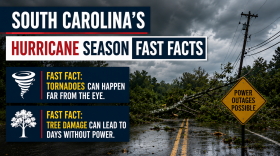 In South Carolina, tropical damage is not always driven by the center of a storm. Tornadoes embedded in rain bands and widespread tree damage can create some of the most disruptive impacts, even far inland.
 -
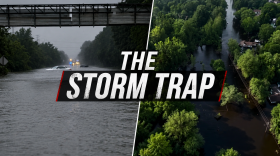 In South Carolina, hurricane impacts are not always measured by wind speed or rainfall totals. Flooded roads, damaged infrastructure, and blocked access routes can isolate communities before, during, and after a storm — turning mobility itself into part of the emergency.


