-
 While the certificate of need requirement for new hospitals to be built in our state was mostly repealed a couple of years ago, our healthcare system still faces significant challenges.
 -
While the certificate of need requirement for new hospitals to be built in our state was mostly repealed a couple of years ago, our healthcare system still faces significant challenges.
-
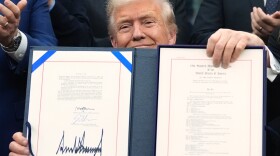 President Donald Trump has signed a government funding bill, ending a record 43-day shutdown that caused financial stress for federal workers who went without paychecks, stranded scores of travelers at airports and generated long lines at some food banks.
 -
 The legislation includes funding for SNAP food aid and other programs while ensuring backpay for furloughed federal workers. But it fails to fund expiring health care subsidies Democrats have been fighting for, pushing that debate off for a vote next month.
 -
 The Federal Aviation Administration is forcing airlines to cut 10% of their flights at 40 of the busiest airports across the nation to reduce pressure on air traffic controllers during the ongoing government shutdown and ensure that flying remains safe.
 -
 It's Day 36 and the government shutdown is now the longest ever. President Donald Trump says Democrats must agree to reopen the government before he'll negotiate with them over demands to salvage expiring health insurance subsidies.
 -
 President Donald Trump’s administration says it will partially fund the SNAP food aid program after a pair of judges’ rulings required the payments to continue. That means grocery aid will resume for 1 in 8 Americans, though it has been delayed for millions already and the amount beneficiaries receive will be reduced.
 -
 Food aid for more than 40 million Americans is at risk of expiring at week's end. Republican leaders in Congress said it’s all or nothing Wednesday as they rejected a Democratic push for a temporary fix.
 -

-
 From the closure of national parks to furloughs on Parris Island, people visiting the Lowcountry will see changes because of the federal government shutdown.

© 2026 South Carolina Public Radio

Play Live Radio
Next Up:
0:00
0:00
Available On Air Stations


