-
 Mike Switzer interviews Mark Rapp, founder and director of the ColaJazz Foundation, host of the ColaJazz Jazz and Roots Festival returning May 15-16 to Columbia, SC.
 -
Mike Switzer interviews Mark Rapp, founder and director of the ColaJazz Foundation, host of the ColaJazz Jazz and Roots Festival returning May 15-16 to Columbia, SC.
-
 South Carolina–born Lauren Meccia is a saxophonist, composer, and University of South Carolina professor known for her versatility in jazz, classical, and contemporary music.
 -
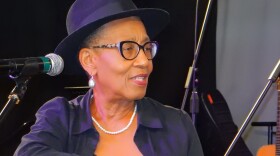 Ann Caldwell, born in Denmark, South Carolina, is known as Charleston’s “First Lady of Jazz.”
 -
 James “Blood” Ulmer was born in St. Matthews, South Carolina, and is a visionary guitarist known for his daring blend of avant-garde jazz, blues, and free improvisation.
 -
 Charleston-born Alphonse Mouzon was a groundbreaking drummer and a pioneer of jazz fusion. Known for his explosive energy, technical mastery, and rhythmic creativity, Mouzon helped redefine what jazz percussion could be.
 -
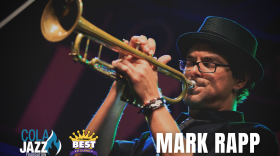 Every musician is the sum of the voices they’ve listened to, and my sound is shaped by the artists who came before me.
 -
Born in Dillon, South Carolina, Jimmy Hamilton was a masterful clarinetist and tenor saxophonist best known for his 25-year tenure with the Duke Ellington Orchestra.
-
Born in Aiken, South Carolina, Bubber Miley was a key figure in the 1920s Harlem jazz scene and a pioneering trumpeter whose sound helped define the early Duke Ellington Orchestra.
-
When you watch a jazz pianist, it’s easy to focus on the notes but there’s so much happening behind the keys. This is true whether they're performing solo or as part of an ensemble.

© 2026 South Carolina Public Radio

Play Live Radio
Next Up:
0:00
0:00
Available On Air Stations


