

Colin McCawley
-
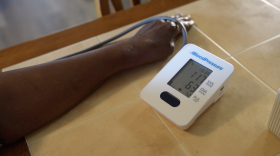 To strengthen rural health care in South Carolina, $167 million worth of grants have been awarded to health care-related organizations.
 -
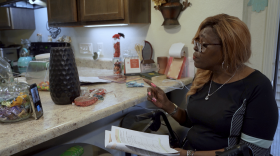 Stroke specialists are primarily located in urban areas, limiting access for rural patients. However, the Medical University of South Carolina is delivering rehabilitation services to patients at home, using telehealth.
 -
 As an unprecedented measles outbreak spreads across the Palmetto State, healthcare providers are using telehealth to screen and treat patients in order to reduce exposures of the disease.
 -
 Maternal mental illness affects one in five women annually in the United States, and it is the leading cause of maternal mortality, due to suicide and drug overdose.
 -
 Veterans experiencing homelessness often face a host of barriers to health care. For many, the only option is the emergency room, which fragments care and pushes them into crisis more quickly.
 -
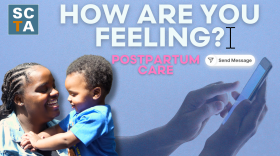 When it comes to improving health outcomes for postpartum women, it’s important to catch any early signs of postpartum complications. Things like headache, shortness of breath, nausea, or excessive bleeding.
 -
 Almost 7 million Americans on Medicare use telehealth for doctor visits. But since the government shutdown began last month, access to telehealth has been irregular.
 -
 The clock is ticking for Congress to reach a funding agreement and avoid a government shutdown. If an agreement isn't reached, the Medicare telehealth flexibilities put in place in 2020 would expire, which could result in Medicare patients losing access to telehealth services.
 -
 In South Carolina, an estimated one in six people under the age of 17 experience a mental health disorder. But treatment options can be complicated due to a nationwide shortage of psychiatrists.
 -
 School-based telehealth increases access to high quality health care for students, but the benefits of school-based telehealth also extend to educators.


