

Leslie Hudson
Multimedia Meteorologist-
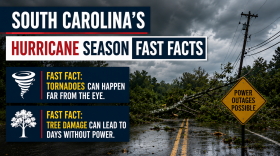 In South Carolina, tropical damage is not always driven by the center of a storm. Tornadoes embedded in rain bands and widespread tree damage can create some of the most disruptive impacts, even far inland.
 -
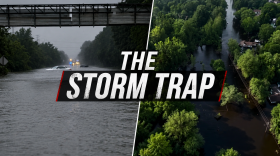 In South Carolina, hurricane impacts are not always measured by wind speed or rainfall totals. Flooded roads, damaged infrastructure, and blocked access routes can isolate communities before, during, and after a storm — turning mobility itself into part of the emergency.
 -
 Tropical Storm Arthur was short-lived, but its leftover moisture brought heavy rain, gusty winds, and isolated severe weather to parts of South Carolina.
 -
 South Carolina's deadliest weather threat may not come from the sky at all. Rip currents are the leading weather-related killer along the Carolina coast, and some of the highest-risk days happen when the weather looks beautiful.
 -
 In South Carolina, a tropical system can begin as a coastal threat and quickly turn into an inland flood disaster. Heavy rainfall, swollen rivers, blocked highways, and tree damage often become the defining impacts well away from the beach.
 -
 In South Carolina, hurricane risk is not confined to the coast. Storms can bring surge, tornadoes, blocked roads, major outages, and infrastructure damage far inland, making statewide impacts a major part of the story.
 -
 South Carolina’s most overlooked Memorial Day weather danger may not be a thunderstorm at all. Rip currents are the number one weather-related killer in the coastal Carolinas, and some of the worst days for them happen when the weather looks great.
 -
 South Carolina does not flip into one clean rainy season. Instead, the state moves into a wetter summer pattern that looks different along the coast, in the Midlands, and across the mountains.
 -
 Hurricane preparation works best when it begins before the season ever tests it—even a small step now can lower risk and reduce pressure later.
 -
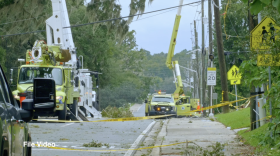 Clear skies can be misleading. In South Carolina, some of the most dangerous hurricane hazards begin after the storm—during cleanup, return, and recovery.


