


The story of South Carolina can be found in its rivers, forests, wetlands, and wildlife. Join Dr. Tom Mullikin, director of the South Carolina Department of Natural Resources, on Into the Wild for a closer look at the natural wonders around us and the people working to preserve them.


Meet the Host, Dr. Tom Mullikin
As director of the South Carolina Department of Natural Resources, Mullikin serves as the chief administrator and is responsible for the management and supervision of the agency’s five divisions. In addition to his environmental and outdoor experiences, Mullikin is a decorated retired senior military officer having served with the U.S. Army Judge Advocate General Corps, U.S. Army Reserve, where he was the international legal officer and assistant staff judge advocate attached to an element of the U.S. Army Special Operations Command. Mullikin retired as major general/commander of the S.C. State Guard. Mullikin is a native of Camden, where he and his wife, Virginia Ann, reside. They have four children and five grandchildren.
-
 Sometimes conservation starts with something that seems almost too simple to matter: picking up a piece of trash.
-
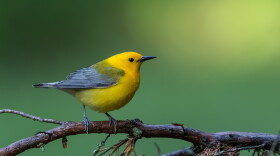 A flash of golden yellow moves through the shade of a South Carolina swamp. That small bird is a prothonotary warbler, and in 2026, South Carolina named it our official state migratory bird.
-
 Walk through a South Carolina forest and look closely at an old oak, a fence rail, or even a bare rock. Those pale green, gray, or orange patches are often lichens - and each one is really a partnership.
-
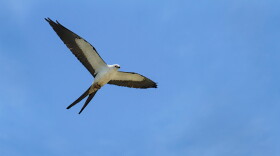 Few birds look more effortless in flight than a swallow-tailed kite. Its black-and-white body and deeply forked tail make it easy to recognize as it circles above a South Carolina swamp.
-
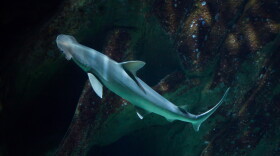 When people hear the word shark, they usually picture deep ocean water. But many young sharks spend part of the year much closer to shore, inside South Carolina's bays, sounds, and estuaries.
-
 A bobcat can live surprisingly close to people and still go almost unseen. Its spotted coat, quiet feet, and habit of moving through thick cover make it one of South Carolina's most secretive predators.
-
 A smooth slide down a muddy bank, a trail of tracks, or a quick ripple beside a log may be the only sign that a river otter has passed through.
-
 On a humid evening, a field or forest edge can begin blinking with tiny points of light. Fireflies are not flies at all. They are beetles, and their flashes are a form of communication.
-
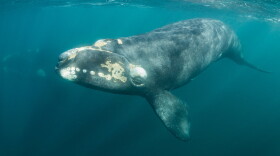 During the colder months, one of the rarest large whales on Earth may be swimming beyond South Carolina's beaches. Some North Atlantic right whales travel more than a thousand miles from northern feeding grounds to the Southeast.
-
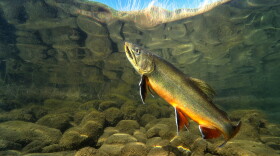 In a small mountain stream, a native brook trout may be only a few inches long. But that fish is living near the southern edge of a cold-water world.


