

-
 Jerald Josey/Cavan - stock.adobe.com/2230050850For generations, longleaf forests covered much of the Southeast. They shaped the landscape, supported communities, and provided timber, turpentine, and other resources that helped build the South.
-
 Mike Ledford/Cavan - stock.adobe.com/393169527An oyster shell may look like the end of a meal, but along the South Carolina coast, it can also be the beginning of something new.


-
 Walk through a South Carolina forest and look closely at an old oak, a fence rail, or even a bare rock. Those pale green, gray, or orange patches are often lichens - and each one is really a partnership.
-
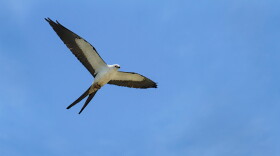 Few birds look more effortless in flight than a swallow-tailed kite. Its black-and-white body and deeply forked tail make it easy to recognize as it circles above a South Carolina swamp.
-
 When people hear the word shark, they usually picture deep ocean water. But many young sharks spend part of the year much closer to shore, inside South Carolina's bays, sounds, and estuaries.
-
 A bobcat can live surprisingly close to people and still go almost unseen. Its spotted coat, quiet feet, and habit of moving through thick cover make it one of South Carolina's most secretive predators.
-
 A smooth slide down a muddy bank, a trail of tracks, or a quick ripple beside a log may be the only sign that a river otter has passed through.
-
 On a humid evening, a field or forest edge can begin blinking with tiny points of light. Fireflies are not flies at all. They are beetles, and their flashes are a form of communication.
-
 During the colder months, one of the rarest large whales on Earth may be swimming beyond South Carolina's beaches. Some North Atlantic right whales travel more than a thousand miles from northern feeding grounds to the Southeast.
-
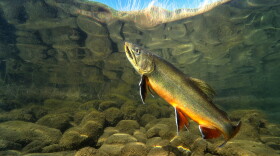 In a small mountain stream, a native brook trout may be only a few inches long. But that fish is living near the southern edge of a cold-water world.
-
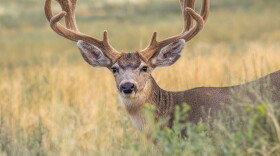 A buck's antlers may look permanent, but they are part of a yearly cycle of growth, hardening, and release. After old antlers are shed in winter, new growth begins again.
-
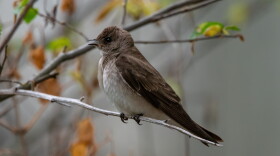 Near sunset in late summer, look above an old school, church, or downtown building. You may see dozens or even hundreds of small birds circling a chimney in a tightening spiral.


