-
 A smooth slide down a muddy bank, a trail of tracks, or a quick ripple beside a log may be the only sign that a river otter has passed through.
 -
 On a humid evening, a field or forest edge can begin blinking with tiny points of light. Fireflies are not flies at all. They are beetles, and their flashes are a form of communication.
 -
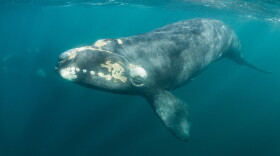 During the colder months, one of the rarest large whales on Earth may be swimming beyond South Carolina's beaches. Some North Atlantic right whales travel more than a thousand miles from northern feeding grounds to the Southeast.
 -
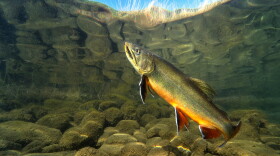 In a small mountain stream, a native brook trout may be only a few inches long. But that fish is living near the southern edge of a cold-water world.
 -
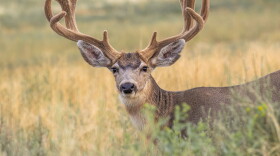 A buck's antlers may look permanent, but they are part of a yearly cycle of growth, hardening, and release. After old antlers are shed in winter, new growth begins again.
 -
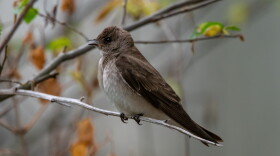 Near sunset in late summer, look above an old school, church, or downtown building. You may see dozens or even hundreds of small birds circling a chimney in a tightening spiral.
 -
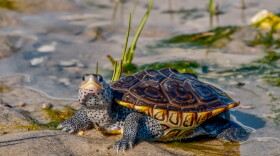 A diamondback terrapin lives where fresh water and salt water meet. It is North America's only turtle found exclusively in estuaries, moving through tidal creeks, marsh edges, and muddy banks.
 -
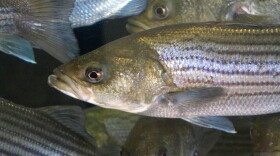 Each spring, striped bass begin moving upstream as water temperatures rise. Their spawning run depends on something easy to take for granted: enough flowing river.
 -
 In an open pine forest, a red-cockaded woodpecker may spend years working on a single cavity. Unlike other woodpeckers, it excavates its home in a living pine tree.
 -
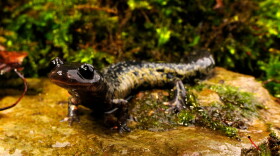 One of the biggest wildlife movements of the year can happen on a cold, wet night when most of us would rather stay indoors. Spotted salamanders spend much of their lives underground, hidden beneath forest soil and leaf litter.

© 2026 South Carolina Public Radio

Play Live Radio
Next Up:
0:00
0:00
Available On Air Stations


