-
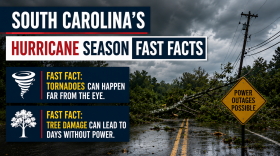 In South Carolina, tropical damage is not always driven by the center of a storm. Tornadoes embedded in rain bands and widespread tree damage can create some of the most disruptive impacts, even far inland.
 -
 In South Carolina, hurricane impacts are not always measured by wind speed or rainfall totals. Flooded roads, damaged infrastructure, and blocked access routes can isolate communities before, during, and after a storm — turning mobility itself into part of the emergency.
 -
 Dangerous heat with temperatures near 100 degrees will dominate the Fourth of July forecast. The state will only see limited storm chances.
 -
 South Carolina has historically seen limited tropical impacts during July. Tropical Storm Chantal impacted the region in 2025 and Hurricane Bob made landfall in 1985.
 -
 Data from the South Carolina Department of Public Health shows the highest annual number of heat-related hospitalizations occur in Richland, Horry, Greenville, Charleston and Lexington counties.
 -
 Warmer weather is returning to South Carolina over the weekend which will result in air temperatures near 100 degrees and heat indices in excess of 104 degrees.
 -
 South Carolina officially entered astronomical summer on June 21, marking the longest day of the year.
 -
 Tropical Storm Arthur was short-lived, but its leftover moisture brought heavy rain, gusty winds, and isolated severe weather to parts of South Carolina.
 -
 South Carolina will be the subject of beneficial rain as tropical moisture from the Gulf impacts the state on Thursday and Friday.
 -
 South Carolina is known for its hot, humid summers with the Columbia setting the state's all-time heat record at 113 degrees Fahrenheit.

© 2026 South Carolina Public Radio

Play Live Radio
Next Up:
0:00
0:00
Available On Air Stations


