

-
 From the ground, a Carolina bay may look like an ordinary pond, wet meadow, or patch of woods. From above, its shape becomes clear - a shallow, oval depression set into the Coastal Plain.
 -
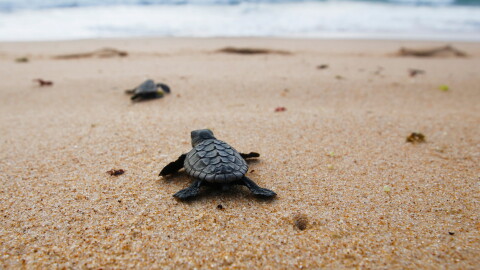 Fernando Fraz�o/Picture Creative - stock.adobe.com/353470039Walking a South Carolina beach early in the morning, you may find wide tracks leading from the ocean to the dunes. Those tracks can mark the place where a loggerhead sea turtle came ashore to nest.


-
 I watched a wood stork feeding in a shallow wetland not long ago. It moved slowly, sweeping its open bill from side to side through the water.
 -
 I was walking beside a Lowcountry tidal creek recently and noticed a rough line of oyster shell at the water's edge. It may not look like much from a distance, but an oyster reef is a living neighborhood.
 -
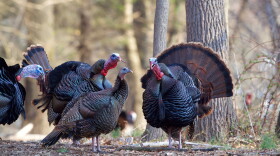 South Carolina is home to the Eastern wild turkey, and thanks to decades of conservation and restoration work, turkeys are now found in every county in the state.
 -
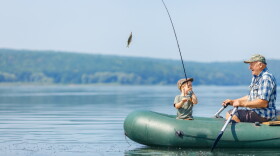 For a lot of kids, that first bluegill or small bass isn't just a fish - it's a first lesson in how ecosystems work.
 -
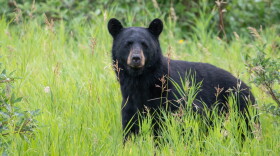 Every so often someone is surprised to hear that we have bears in South Carolina. But we do - and they're pretty incredible animals.
 -
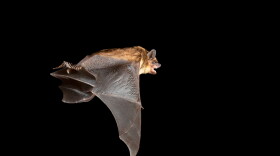 Just after sunset on a summer evening, if you look up, you might see quick, darting shadows overhead. Those are bats - and they're some of the hardest-working wildlife in South Carolina.
 -
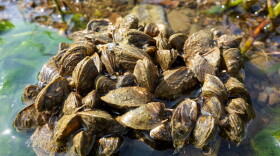 Most people don't think about what's under the surface of a river - but if you could see the river bottom clearly, you might find freshwater mussels sitting half-buried in the sand.
 -
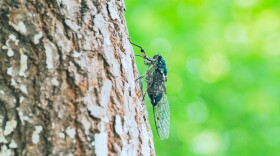 One summer evening I stepped outside and the trees were humming. Cicadas. Some species spend years underground as nymphs, feeding on tree roots before emerging all at once.
 -
 I walked through a stand of longleaf pine not long ago and noticed something most people miss - grass at the base of a pine tree.
 -
 I was standing on a tidal creek recently at low tide, and if you've ever taken the time to look down instead of out, you know the mud is alive. Hundreds of little fiddler crabs were moving at once.


