-
 ACLU-SC's "Youth Behind the Fence" report reveals that hundreds of children are still detained for non-criminal status offenses despite federal law barring the practice, alleges safety failures, and highlights 'widened' racial disparities within the state's juvenile justice system.
 -
 A report published in the American Journal of Tropical Medicine and Hygiene shows WNV exposure here is 10 times the national average.
 -
 Gas prices in South Carolina spiked this week.
 -
 “S” is for state flag. South Carolina's blue Flag with its white crescent and palmetto tree is simple in design but profoundly symbolic of a long history.
 -
 “S” is for state flag. South Carolina's blue Flag with its white crescent and palmetto tree is simple in design but profoundly symbolic of a long history.
 -
 Today, Sept. 10th, marks the official climatological peak of the Atlantic hurricane season. It’s the day when the ocean is prime for tropical development.
 -
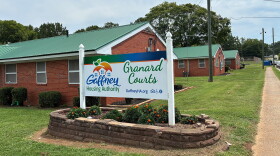 Police say a suspect's father hid his son from authorities as they searched for the killers of a 17-year-old student at his school bus stop.
 -
 Conversations on Flock cameras returned to Spartanburg County Wednesday, after Sheriff Bill Rhyne credited the tech for helping locate a missing child.
 -
“S” is for State Farmers Market. The State Farmers Market is a three-site system of state-sponsored facilities operated by the South Carolina State Department of Agriculture. M
-
“S” is for State Farmers Market. The State Farmers Market is a three-site system of state-sponsored facilities operated by the South Carolina State Department of Agriculture. M

© 2026 South Carolina Public Radio

Play Live Radio
Next Up:
0:00
0:00
Available On Air Stations


