-
 Paddling a Coastal Plain river, you may look over the side and see water the color of dark tea. It can appear mysterious, but that color does not necessarily mean the river is dirty.
 -
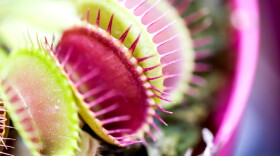 Most people picture a venus flytrap growing somewhere tropical , but this remarkable plant is native to a small part of the Carolinas, including the wet pine savannas in northeastern South Carolina.
 -
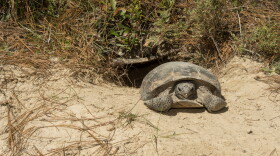 In the sandy country of southern South Carolina, you may notice a wide, half-moon-shaped opening in the ground. This is often the entrance to a gopher tortoise burrow.
 -
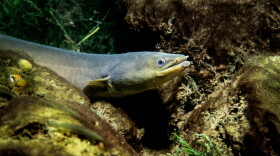 An American eel moving through a dark South Carolina creek may not look like a world traveler, but its life connects that small stream to the middle of the Atlantic Ocean.
 -
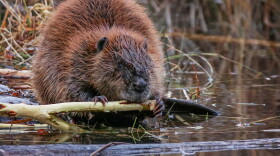 I once found a freshly cut sapling beside a small stream, its base marked with clean tooth grooves. Somewhere nearby, a beaver was reshaping the landscape one branch at a time.
 -
 From the ground, a Carolina bay may look like an ordinary pond, wet meadow, or patch of woods. From above, its shape becomes clear - a shallow, oval depression set into the Coastal Plain.
 -
 This Saturday, Sep. 19, volunteers across South Carolina will take part in the annual Beach Sweep/River Sweep, the state’s largest one-day waterway cleanup.
 -
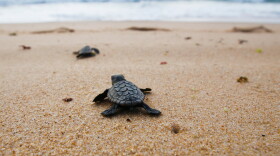 Walking a South Carolina beach early in the morning, you may find wide tracks leading from the ocean to the dunes. Those tracks can mark the place where a loggerhead sea turtle came ashore to nest.
 -
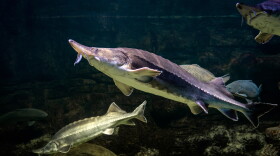 Every now and then, a South Carolina river gives you a glimpse of something ancient. Atlantic sturgeon are long, powerful fish covered with rows of hard, bony plates instead of ordinary scales.
 -
 I watched a wood stork feeding in a shallow wetland not long ago. It moved slowly, sweeping its open bill from side to side through the water.

© 2026 South Carolina Public Radio

Play Live Radio
Next Up:
0:00
0:00
Available On Air Stations


